Phone:
(701)814-6992
Physical address:
6296 Donnelly Plaza
Ratkeville, Bahamas.

Phone:
(701)814-6992
Physical address:
6296 Donnelly Plaza
Ratkeville, Bahamas.
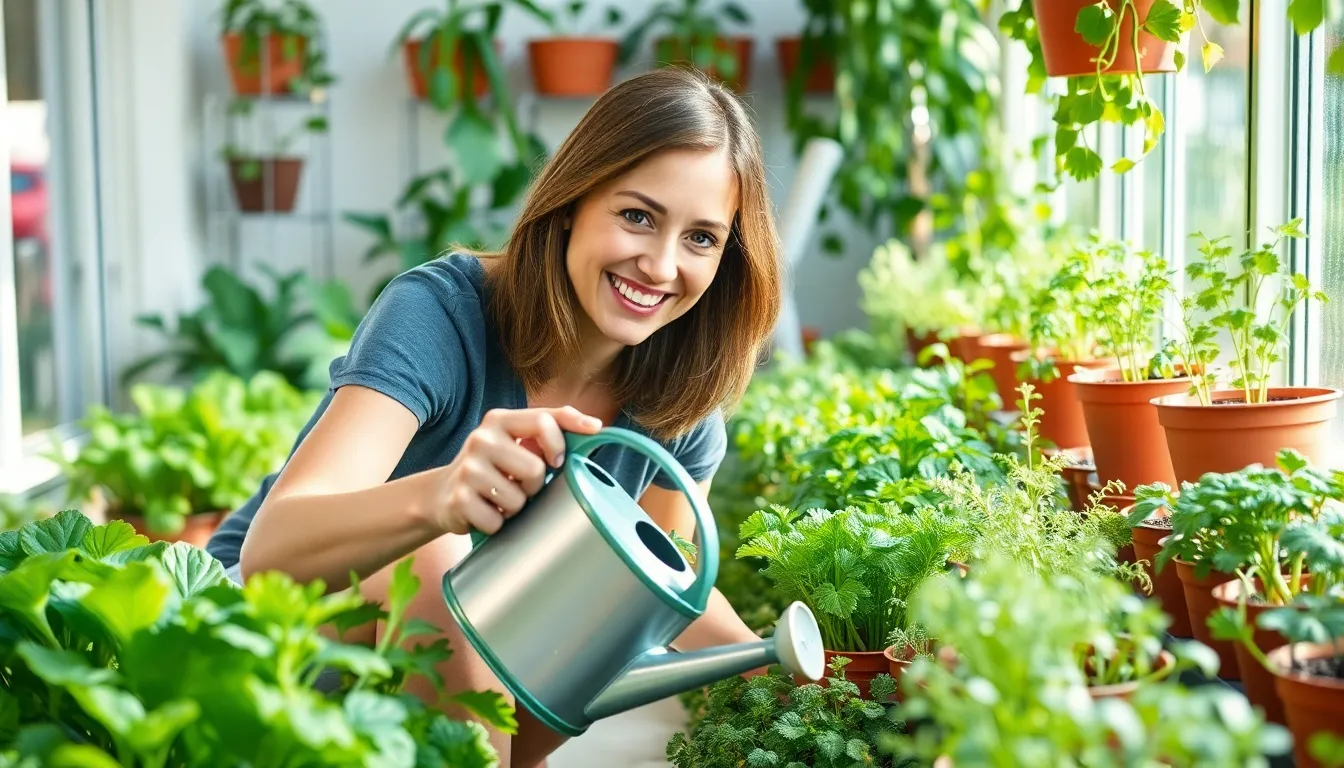
Imagine plucking fresh tomatoes right off your kitchen windowsill while your neighbors struggle with their outdoor plots. Indoor vegetable gardening isn’t just a trend; it’s a revolution in how people grow their food. With a little creativity and some strategic planning, anyone can turn their living space into a green oasis.
Indoor vegetable gardening offers several advantages, making it an appealing choice for many. It enhances living spaces while providing fresh produce at home.
Space optimization plays a crucial role in indoor vegetable gardening. Limited areas can still host various plants through vertical gardening systems and container gardening techniques. Creativity in utilizing shelving and windowsills allows for efficient use of space. Small apartments or limited outdoor access don’t hinder one’s ability to grow food. Growing vegetables indoors helps maximize productivity without requiring extensive square footage. Additionally, herbs and greens thrive in compact containers, making urban gardening highly feasible.
Year-round growing presents a significant benefit of indoor vegetable gardening. Controlled environments eliminate reliance on seasonal changes, enabling continuous harvests. Indoor gardens thrive under artificial lighting, supporting growth regardless of external weather conditions. Tomatoes, peppers, and leafy greens can flourish throughout the year, providing consistent access to fresh produce. Indoor gardening enables individuals to enjoy fresh ingredients even during winter months. Reliable watering systems further simplify plant care, promoting successful growth cycles all year round.
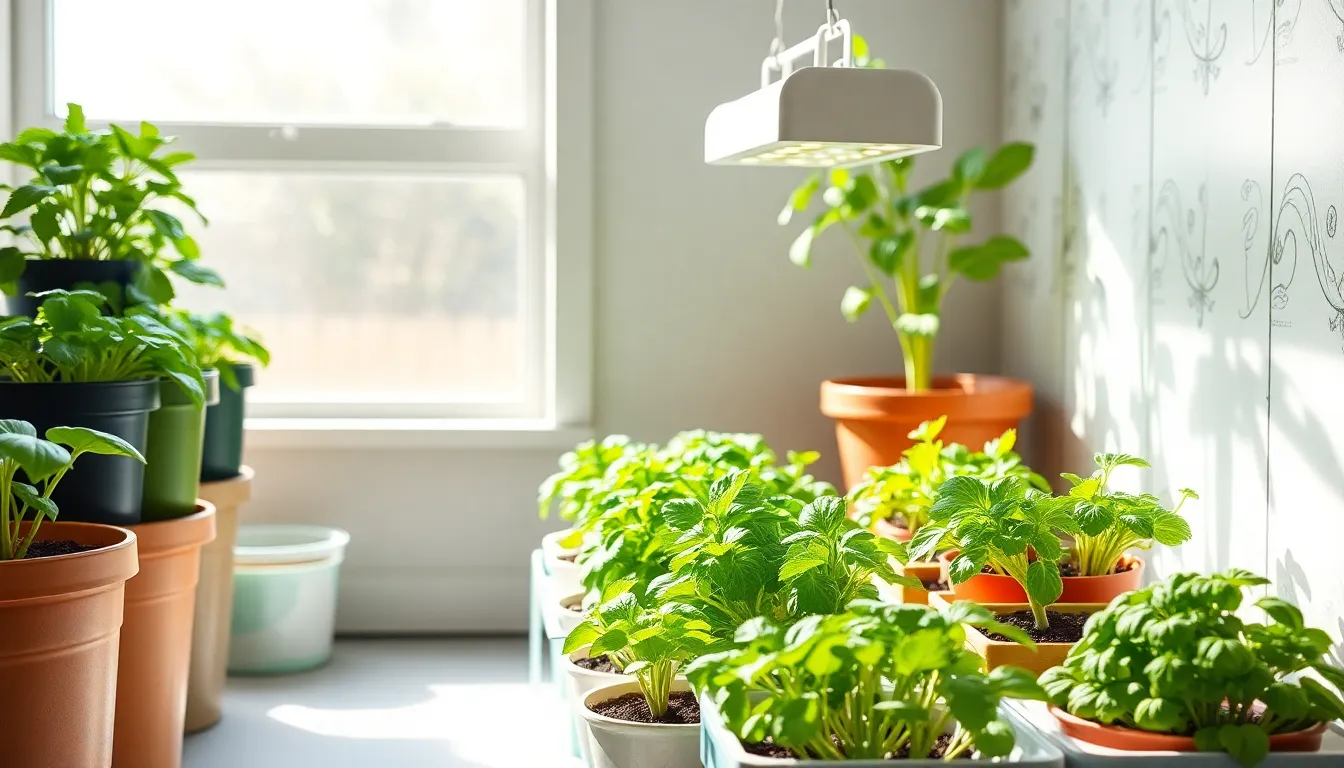
Gathering essential supplies is crucial for successful indoor vegetable gardening. The right tools and materials can greatly enhance the growing experience.
Selecting appropriate containers is vital for plant health. Drainage holes at the bottom prevent overwatering. Various materials include plastic, ceramic, and fabric, each offering unique benefits. Choosing high-quality potting soil promotes healthy root development. Organic soil mixes cater to various plant needs and reduce potential pests. Consideration of plant-specific requirements aids in selecting the optimal combination.
Providing adequate lighting is essential for plant growth. Full-spectrum LED lights replicate natural sunlight effectively. Keep lights positioned 12 to 24 inches above plants for best results. Adjusting light duration to mimic day length supports healthy growth cycles. Supplemental lighting aids in reaching desired growth during winter months. Timers simplify maintaining consistent light schedules, ensuring vibrant indoor gardens.
Selecting the right vegetables is crucial for a successful indoor gardening experience. Certain varieties thrive indoors, maximizing yield and enjoyment.
Leafy greens rank among the best choices for indoor gardening. Examples include spinach, kale, and arugula, which grow quickly and require minimal space. Herbs like basil, parsley, and cilantro also perform well, providing fresh flavors for cooking. Small fruiting plants like cherry tomatoes and peppers adapt to indoor settings, needing sufficient light and warmth. Radishes cater to fast growth, allowing for rapid harvests. Opting for dwarf or compact varieties increases the likelihood of successful growth in confined spaces.
Selecting vegetables according to seasonal variations enhances indoor gardening success. Cool-season crops, such as lettuce and peas, thrive during fall and winter months, benefiting from cooler indoor temperatures. On the other hand, warm-season plants like tomatoes and peppers flourish in spring and summer. Scheduling planting times appropriately balances growth cycles and light availability. Indoor gardeners can extend harvest seasons by adjusting lighting conditions based on seasonal changes. With careful planning, it’s possible to enjoy a continuous supply of fresh produce year-round.
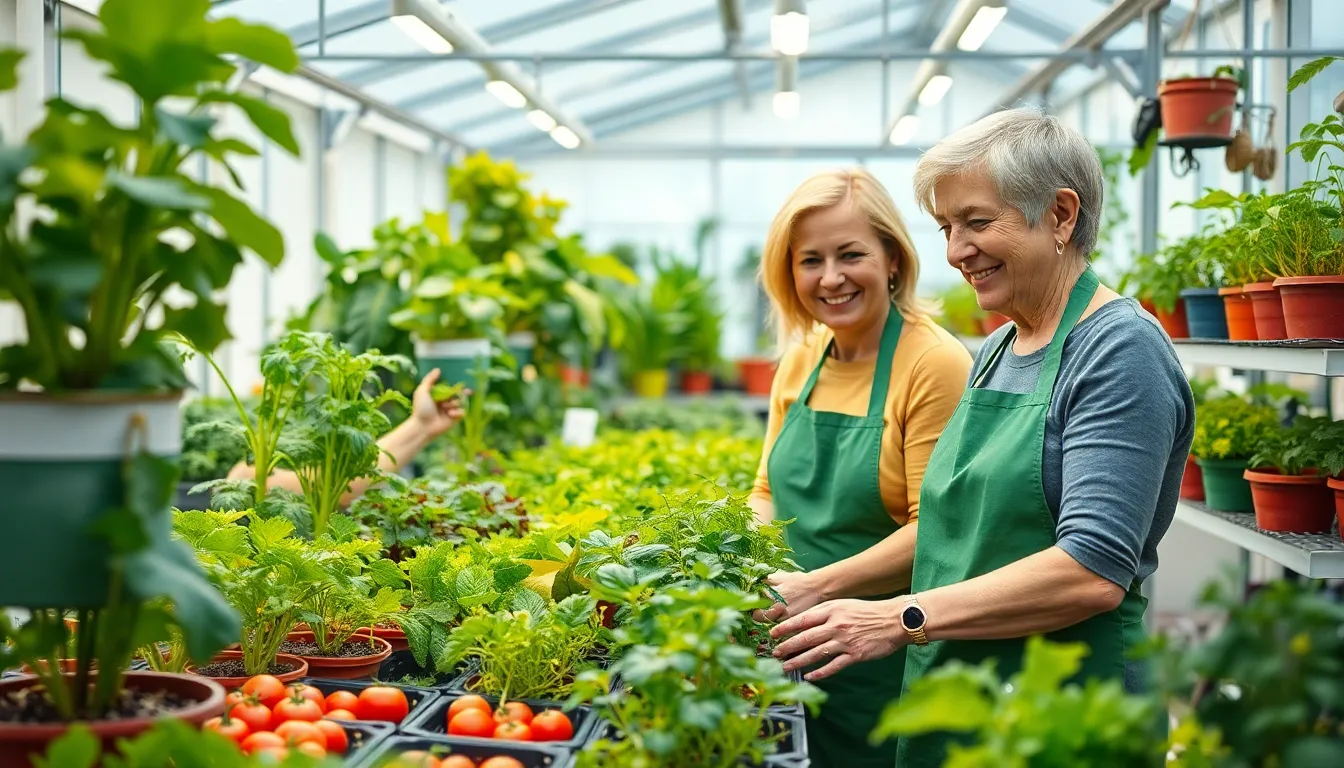
Maintaining indoor vegetable gardens involves a systematic approach to watering and pest management, ensuring healthy plant growth.
Watering techniques play a crucial role in indoor gardening success. Use a consistent schedule to keep plants hydrated, usually allowing the top inch of soil to dry out between waterings. Don’t overwater, as it can lead to root rot; if leaves start yellowing, it may indicate excess moisture. Employ methods such as bottom watering, which allows plants to absorb water through drainage holes, promoting healthy root systems. Monitoring humidity levels can also be beneficial, especially in dry environments; misting plants can help meet their moisture needs without oversaturating the soil.
Effective pest management measures protect indoor vegetable gardens from common pests. Regularly inspect plants for signs of infestations, such as discolored leaves or webbing. Introduce natural deterrents, like neem oil or insecticidal soap, which can effectively manage pests without harming plants. Sticky traps serve as an efficient tool for monitoring pest presence; they capture flying insects and provide insight into infestation levels. Additionally, maintaining good air circulation reduces the likelihood of mold and pests. Regular cleaning of the gardening area helps eliminate potential breeding grounds for unwanted insects.
Indoor vegetable gardening opens up a world of possibilities for anyone looking to grow fresh produce at home. With the right techniques and supplies, even those with limited space can create thriving gardens. The ability to grow year-round ensures a steady supply of nutritious ingredients regardless of the season.
By choosing the right plants and maintaining a consistent care routine, indoor gardeners can enjoy the fruits of their labor while enhancing their living spaces. This innovative approach not only promotes self-sufficiency but also brings a touch of nature indoors, enriching daily life with fresh flavors and vibrant greenery.
